Hello and welcome to my travel Blog! I created this Blog in 2014 when I decided to island hop around the Socrates, back packing and solo. 2015 I toured parts of Italy with a couple more of the Greek islands thrown in. 2016 I did some of the beautiful Croatian island and this year I continued exploring more of the Greek islands on the eastern side. 2018 takes me further.... seawhathappens
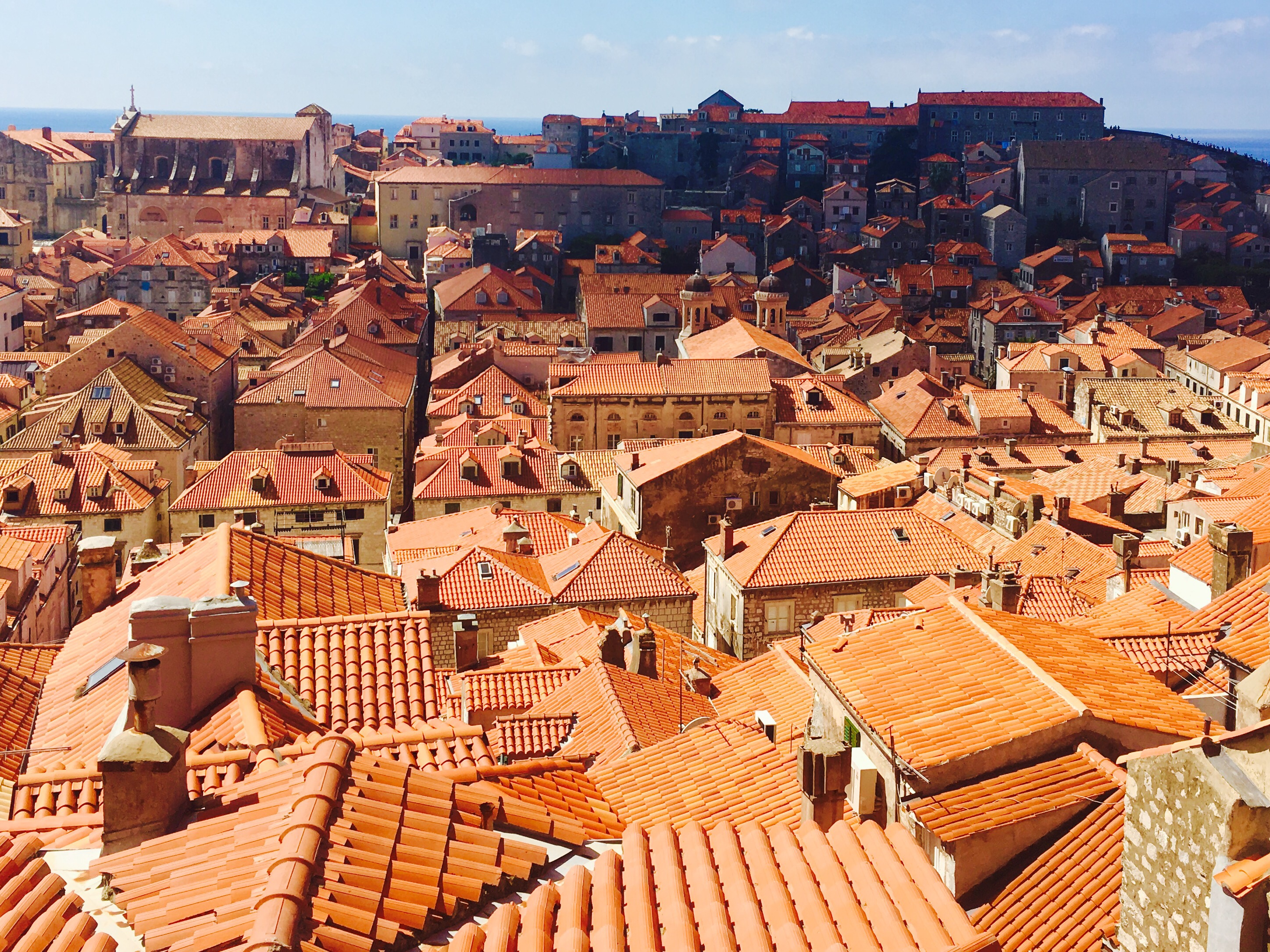
Dubrovnik’s historical sites, museums and galleries are to be viewed if you are in this beautiful city for its architecture. The City Walls (which I walked), the Cultural & Historical Museum and the Natural Science Museum, to name a few are not to be missed. The Old City, with the numerous restaurants, cafes, shops and little artist showrooms line the streets. The best way to view the whole of this great ancient city is by walking the walls where you can get a birds eye view of the red slate roof tops and the blue adriatic waters.
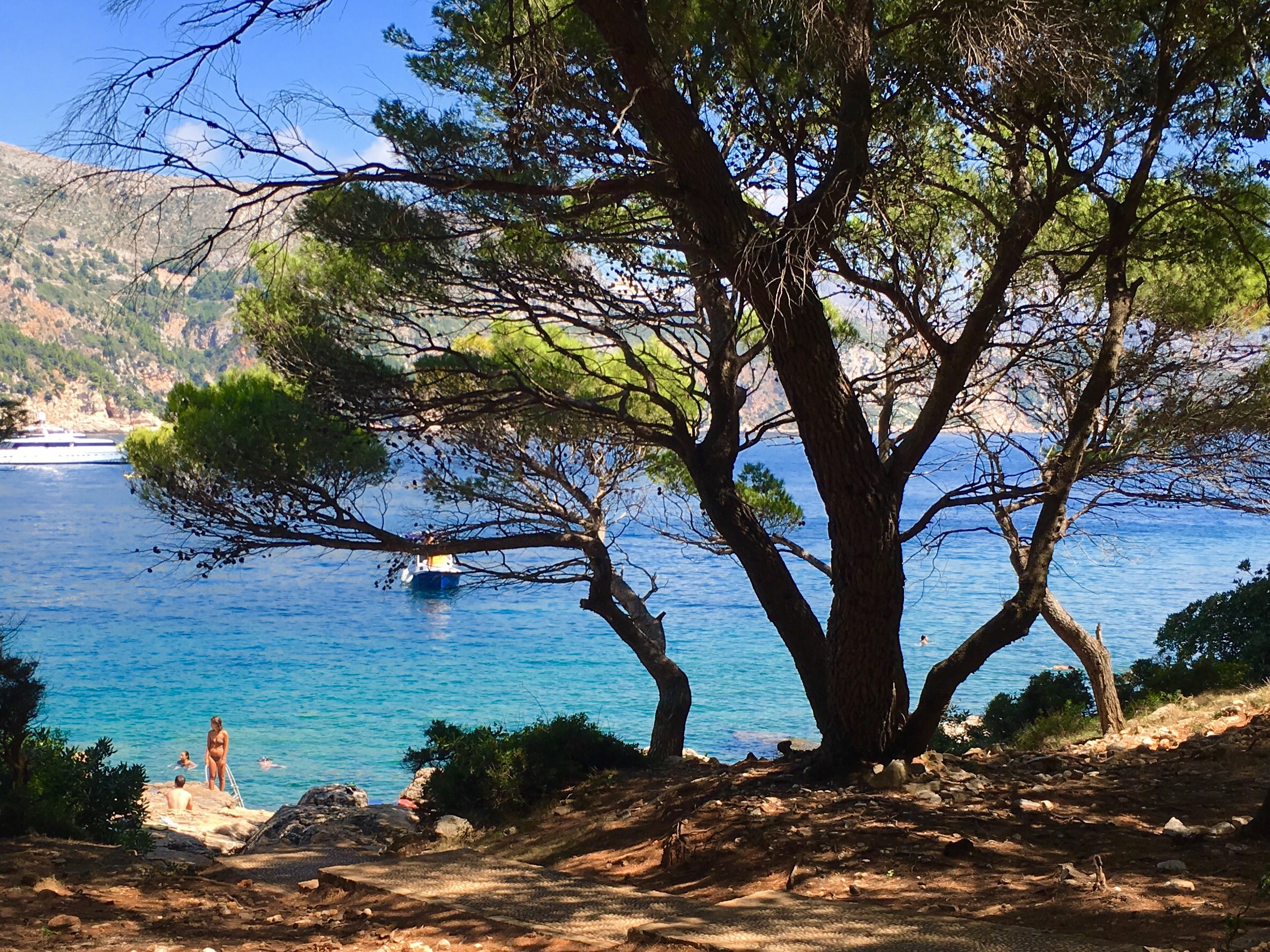
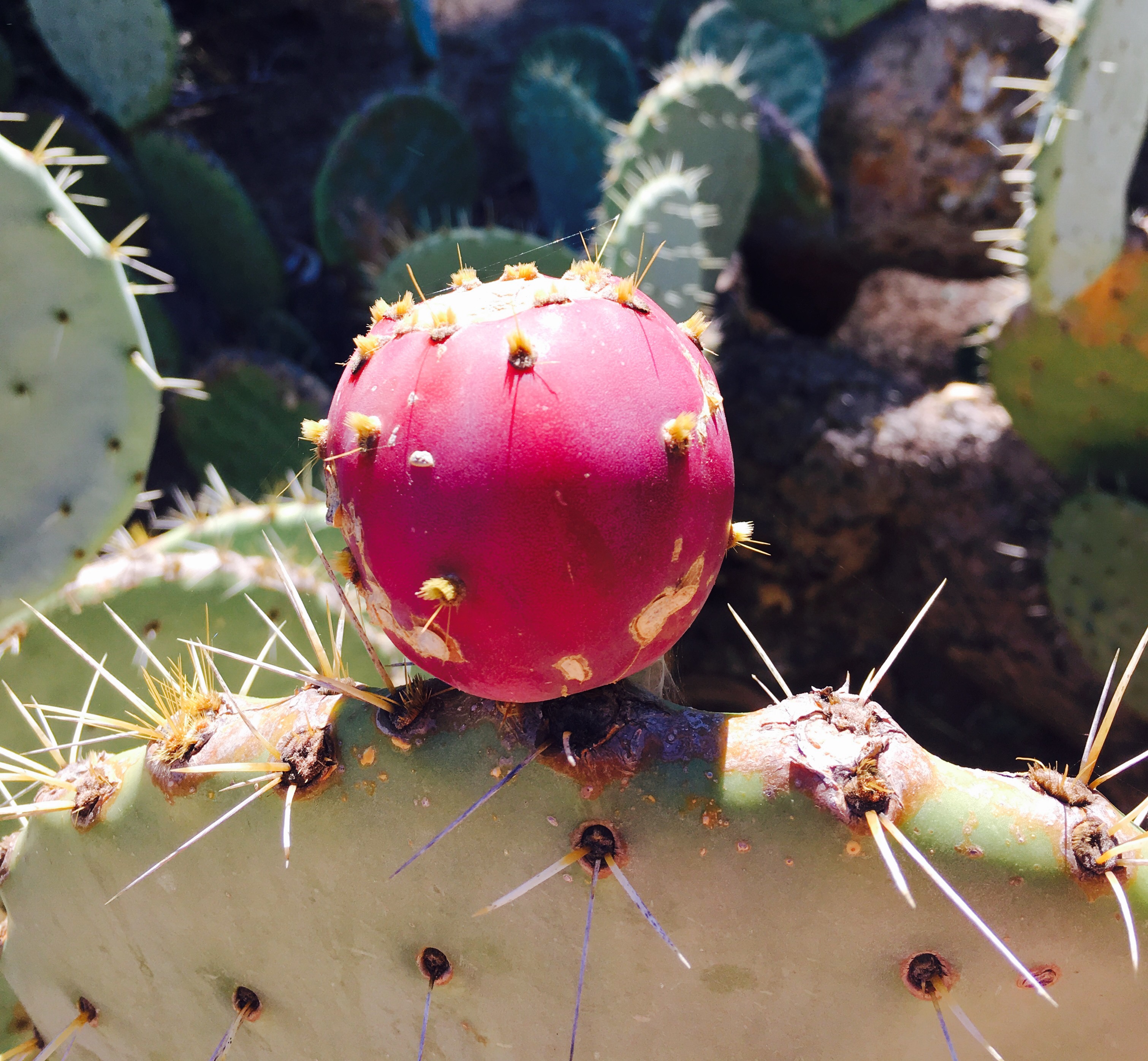
Lokrum is around a 20 minute boat ride out of the harbour in the Old City. There are boats leaving every half an hour up to 8 pm. Lokrum is definitely a nature island. With its lovely gardens (including a Botanical Garden), clear waters and places for relaxation.The name Lokrum probably comes from the Latin word “acrumen” which means “bitter fruit.” Lemons and oranges flourish on Lokrum even today.The sea has defined the island’s edge. During the more violent storms, gusts of wind send waves crashing with great impact on the cliffs of the eastern and southern parts of Lokrum. Erosin has also led to Lokrum’s little natural wonder – the Dead Sea – a pond formed by centuries of storms and the specific formation of the island’s rocky shoreline. And definitely nature’s beach …. yes, a nudist beach sits at the far end of the island!
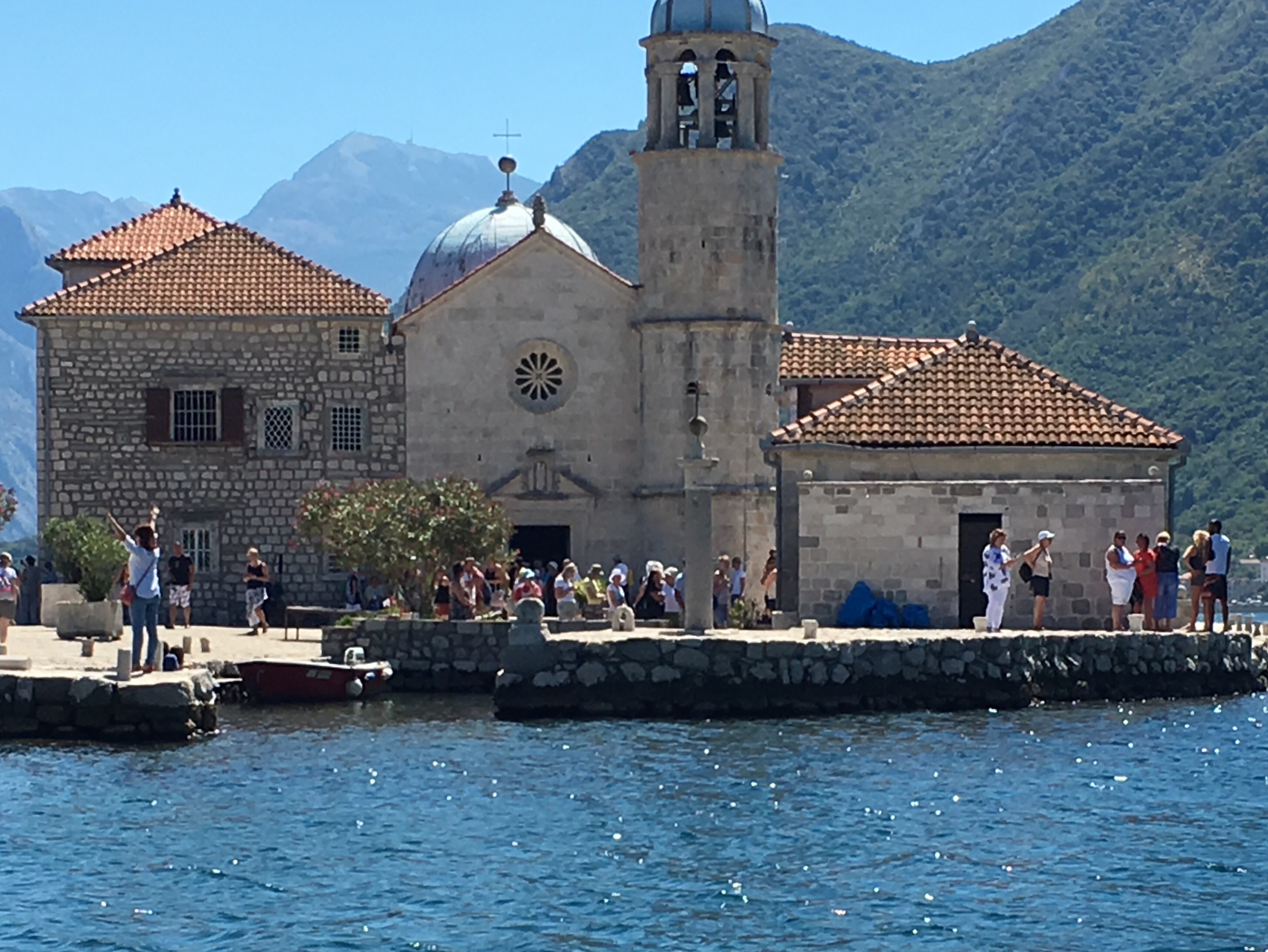
Perast is an ancient village that is situated a few miles north west of Kotor. Ideal spot if you want to get away from the bustling town of Budva or a break from Kotor. This town has a very strong venetian influence,architecturally and with a population of only around 400 you can see why is offers idylic “quiet” time.
The church of Our Lady of The Rocks sits on one of the two islets in the Bay which has a small museum attached and a gift shop. According to legend, the islet was made over the centuries by local seamen who kept an ancient oath after finding the icon of Madonna and Child on the rock in the sea. Upon returning from each successful voyage, they laid a rock in the Bay. Over time, the islet gradually emerged from the sea. The custom of throwing rocks into the sea is alive even nowadays. Every year on the sunset of July 22, an event called fašinada in the local dialect, when local residents take their boats and throw rocks into the sea, widening the surface of the island, takes place.
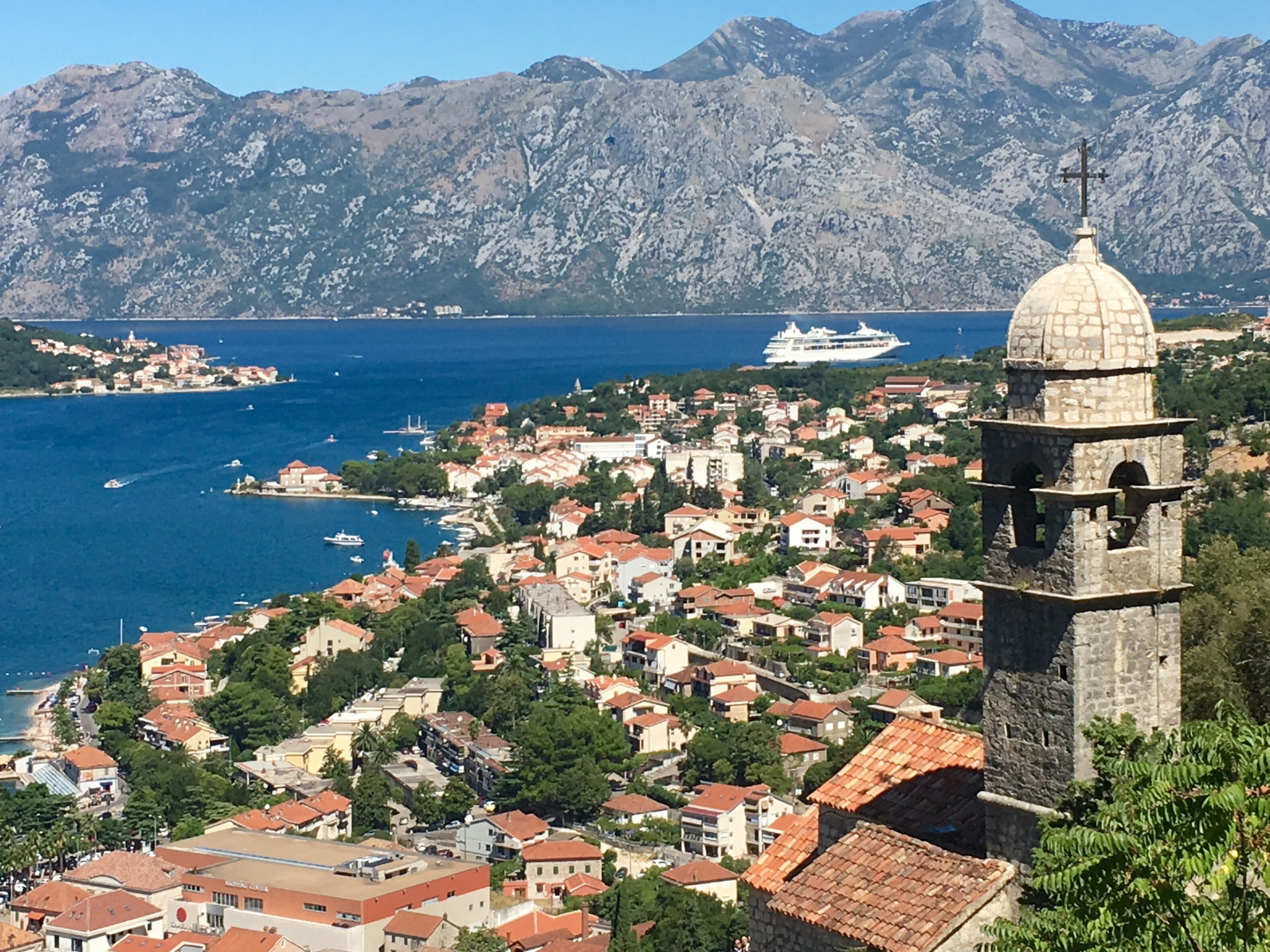
Over 3 hours from Dubrovnik via bus, taking into consideration that border control both sides took time, I arrived in Kotor. A well established coastal town with good docking facilities for the huge liners that frequent this country. Many of the tourists that come to Montenegro are Russian. There are half completed hotels, mainly in Budva, built by Russian companies hoping to join the Alliance.
Kotors’s old town is where I am staying for 3 nights. A beautiful ancient wall surrounds this town with 3 entrance gates. A 9th century fortress overlooks the town. Kotor also boasts Kamelija, a shopping centre that houses the usual designer outlets which is only 100 m from the old town.
Budva is around 15k from Kotor, a little further up the coast. It also has an old town, albeit smaller than Kotor old town and slightly more commercial. With its huge beach, bars and clubs it makes an alternative to the quieter town of Kotor.
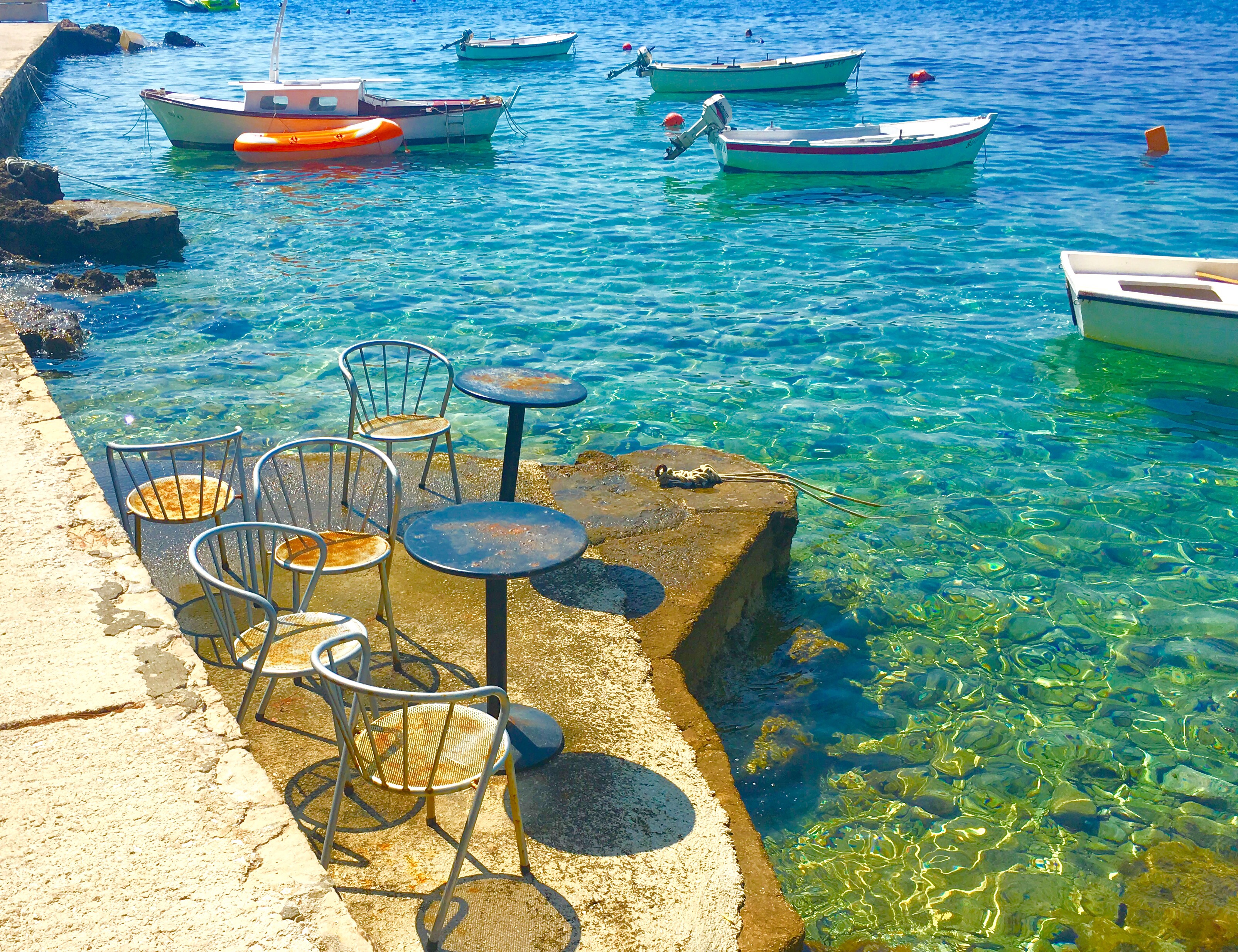
Around an hour south of Split via the catamaran lies the island of Brac. This is one of the larger islands in Croatia but not heavily populated. Bol, where I am staying for 2 nights, is the harbour which is on the south side of the island. It’s lined with cafes, restaurants and little crafty shops all tailored to the tourist.
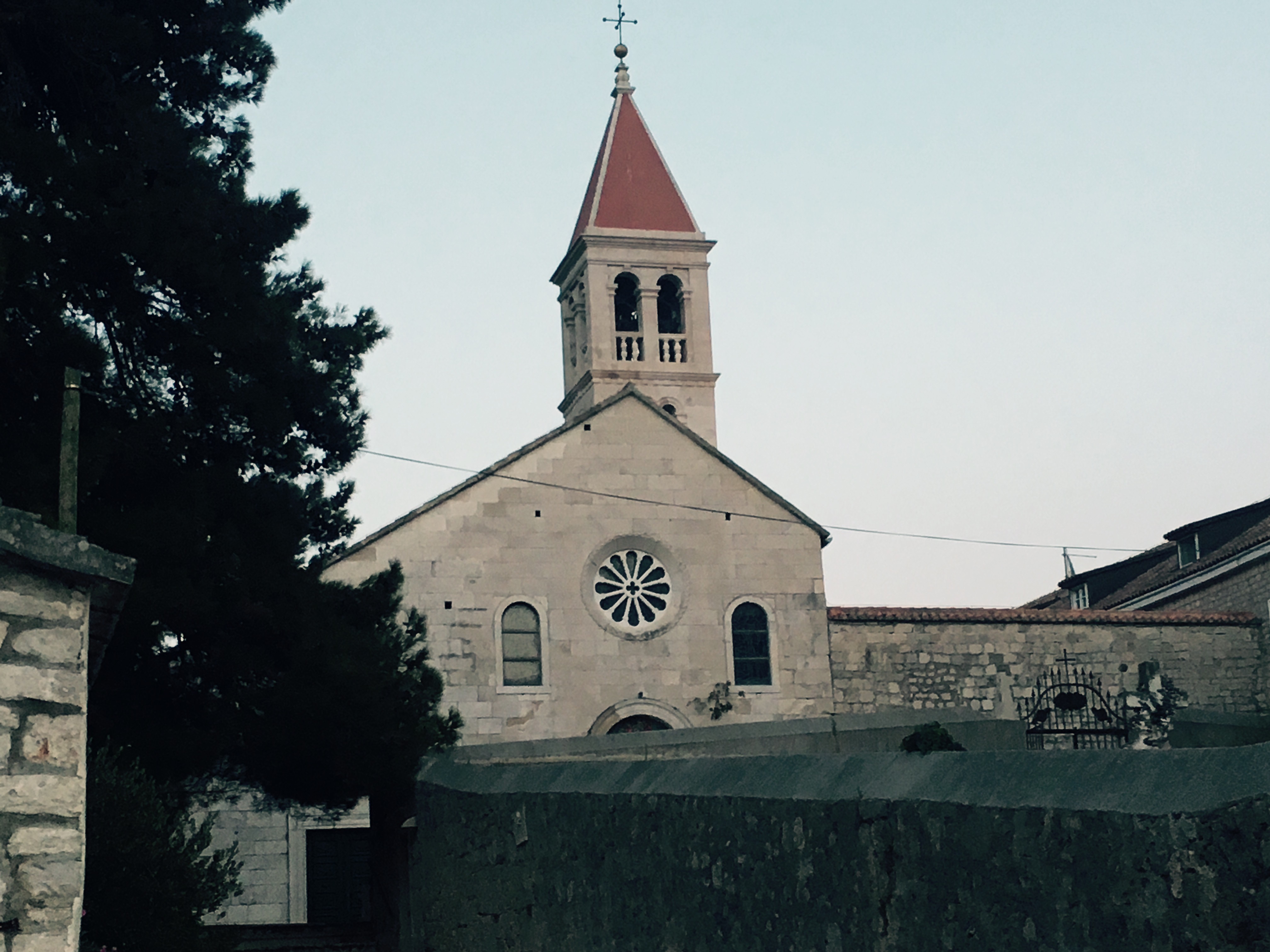
Walking a little out of the harbour you will see the monastry. Other than that, there is very little culture … the tiny pebbly beaches dotted around the coastline though make for a great lazy afternoon …. which is what I did.
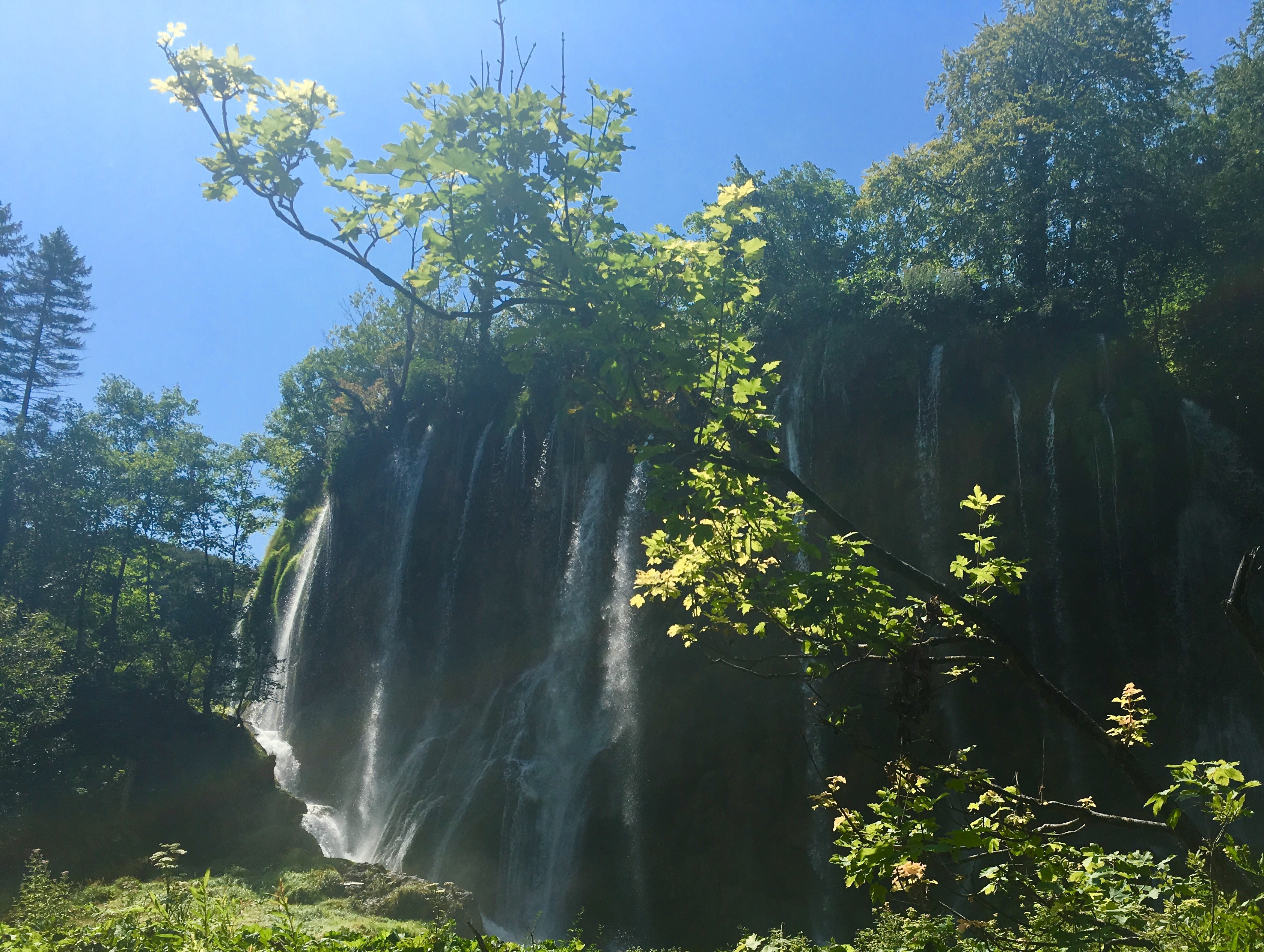
This, so far has been the highlight of my trip. The beauty of this place can only be appreciated by being here. The scents from the flora and fauna follow you around this huge natural phenomenon. With a surface area of approx. 294.82 km. so far, 1267 different species of plants, including 75 endemic plants and 55 different species of orchids. There are also 21 species of bats!! I didnt see any bats but what I did see was numerous magnificent waterfalls (or slap in Croatian). Over time, the water changes its course, leaving some barriers dry but stimulating turfs growth in other places.
Enjoy the images, you could only walk about 20 strides without taking another photo/ film.
Not entered the Park really yet and already wowed by the scenery. Plitvičks Jezera National Park is situated in central Croatia. Its known for 16 terraced lakes jouned by waterfalls. It is one of the oldest National Parks in South – East Euripe. Looking forward to spending the whole day being ” at one with nature” …
Well, my last day was going to be all about Stomorska, the oldest coastal village on the island but unfortunately, due to storms I didnt get there! But a little bit about this village … famous for being the home of excellent seamen and the captain-sailing ship owners. Today, its an expansive tourist village with lots of cafes, taverns, apartments and even a motor camp. The main beach is in the centre of the village.
As I dont have photographs of Stomorska I do have one of Gornje Selo, taken today from my walk … once the storms had tapered. Tomorrow …. something different!
Grohote is the oldest and largest village on Šolta. It’s situated smack in the middle of the island. Gornje Selo (upper village) sits at the foot of the island’s highest peak (130-170m). This is where I will be spending my next 2 nights before I vacate the island. The lower village is Donje Selo and the middle village is Srednje Selo.
A little about Šolta’s history…
first inhabited around 6000BC
evidence of Neolithic & Bronze Age discovered in Grohote
Greeks came in 4th BC & named it Olyntha
Romans then took control until the 6thC AD who changed its name to Solenta
the name Šolta became permanent in the 14th C
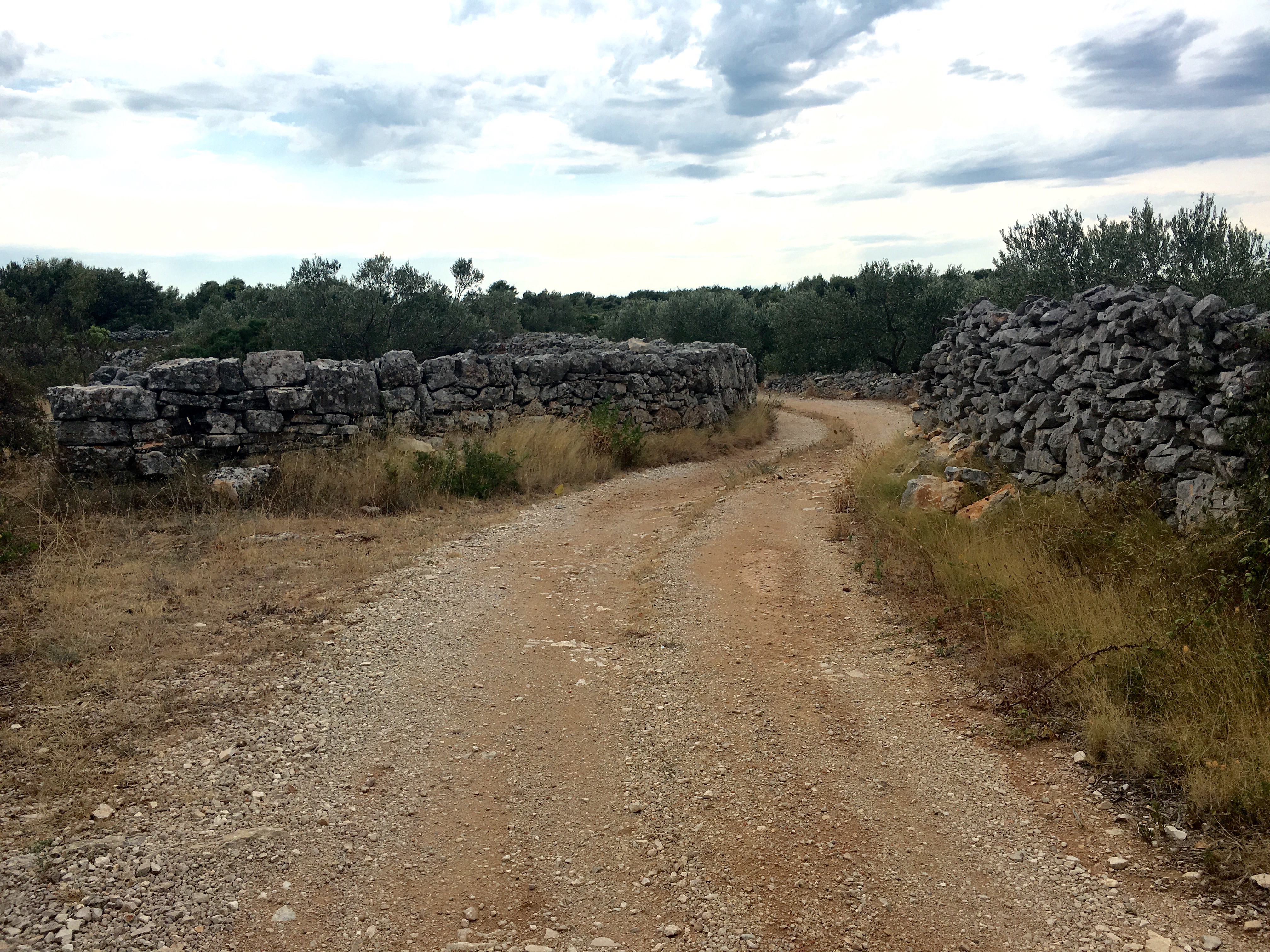
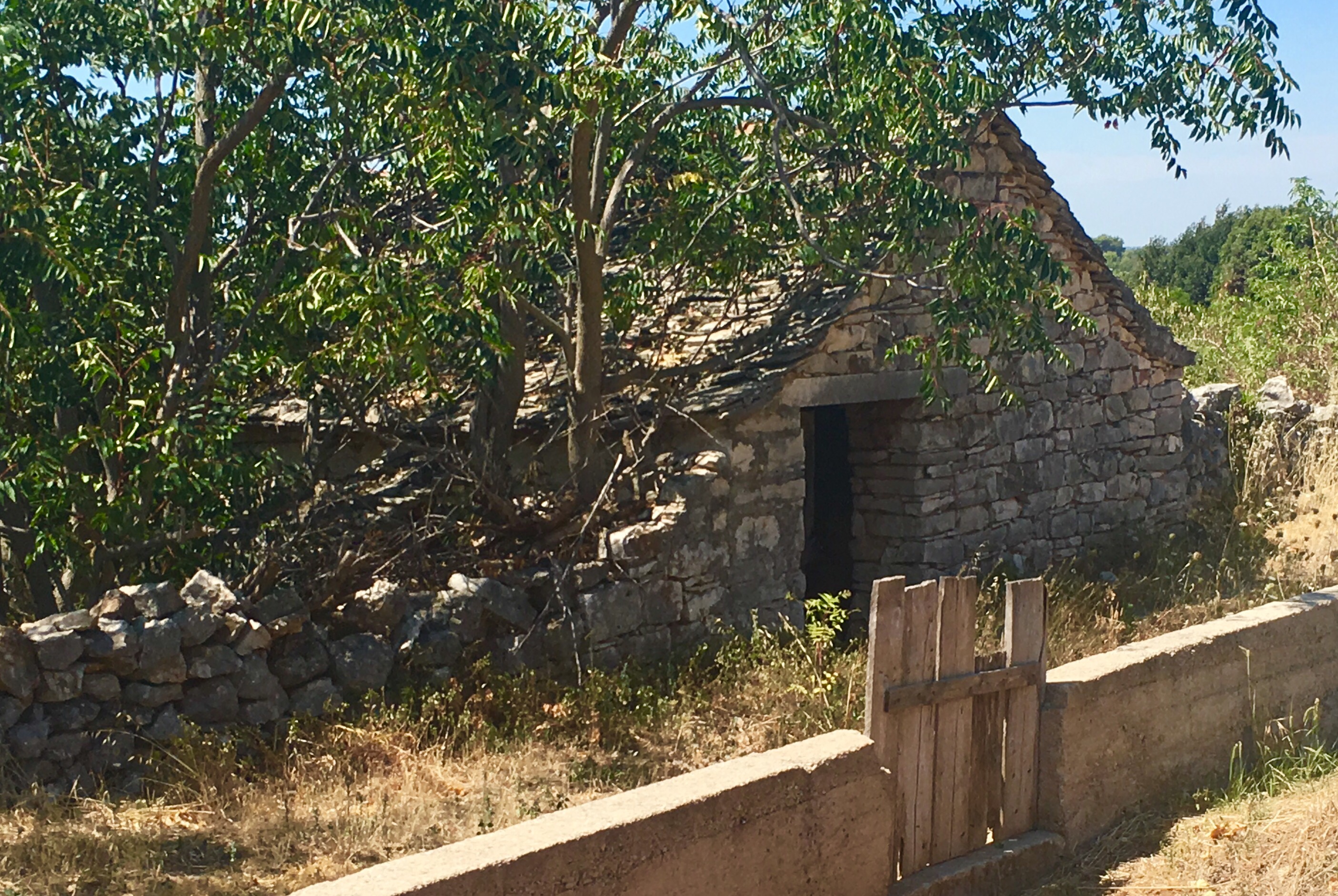
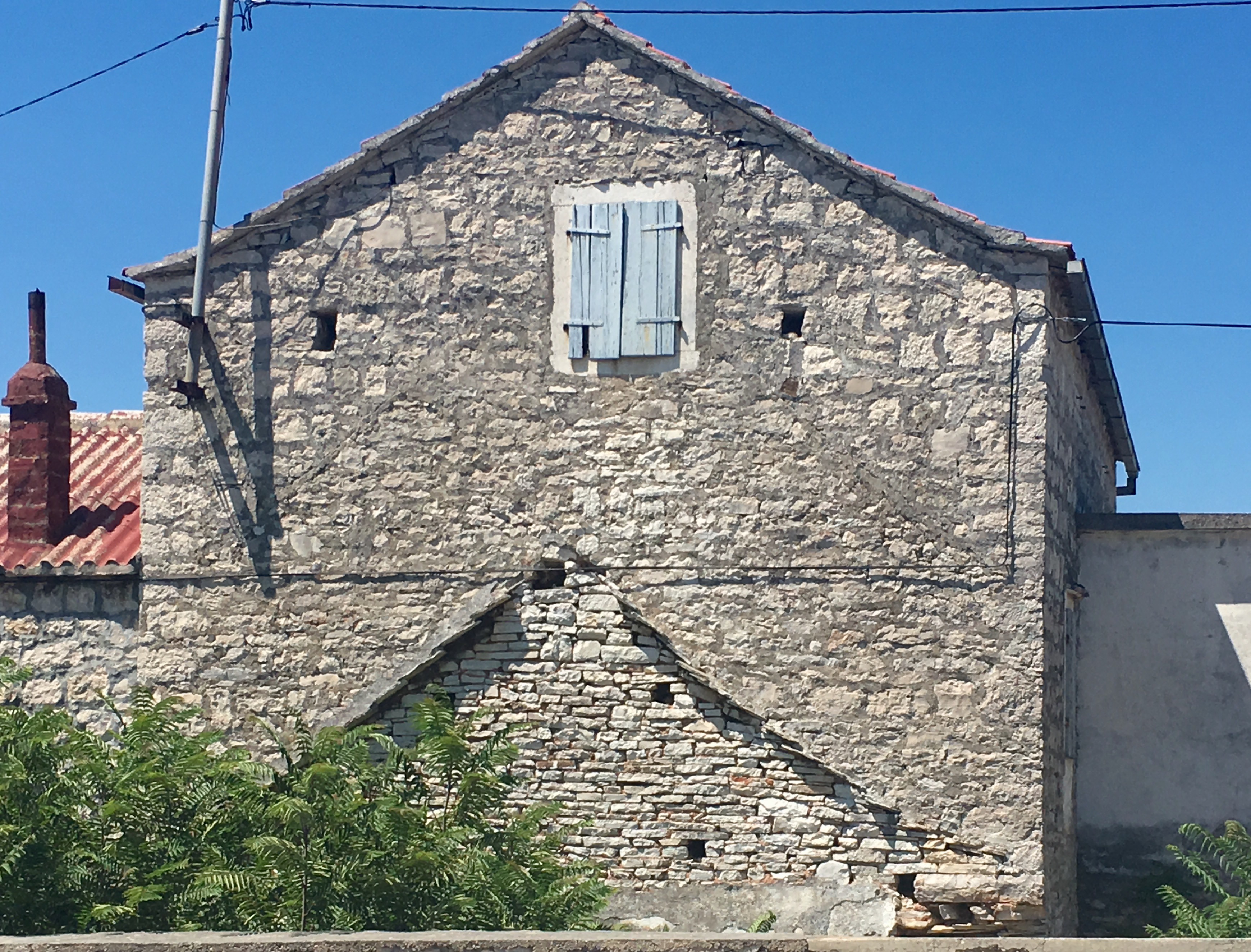
As you can see on these photos this part of the island still holds those architectural features.
Tomorrow I’ll show you a completely different side of Šolta.
Šolta, or my own personal interpretation, Solitude, is a pretty little island only around 17k from Split via ferry. Measuring 7 miles long and 3 miles across this “forgotten and unspoiled ” island of tranquility is a little gem locked away on the Adriatic/ Dalmation coast line. With its tiny harbour and steep hills rising up to small villages with views to die for this island soaks up temperatures around 30 degrees in August and with its own locally grown lemons and grapes it certainly is very self sufficient.
My second day here was a day for relaxation, reading and researching the birth place of Marco Polo. After extensive googling I am still not convinced he was a Croatian. According to his biography and other so called “reliable sources” he was born in Venice. Very little historical references and evidence exists. Korćula though, is doing a roaring trade on the back of it! I did visit the house which is still under investigation/ research!
Tomorrow, I will be elsewhere…. an island already discovered…. think maybe by the Italians. Will let you know!








 seawhathappens